Guests may never see what happens behind the scenes of a restaurant, but they feel every bit of the friction.
A repeated question.
A delayed update.
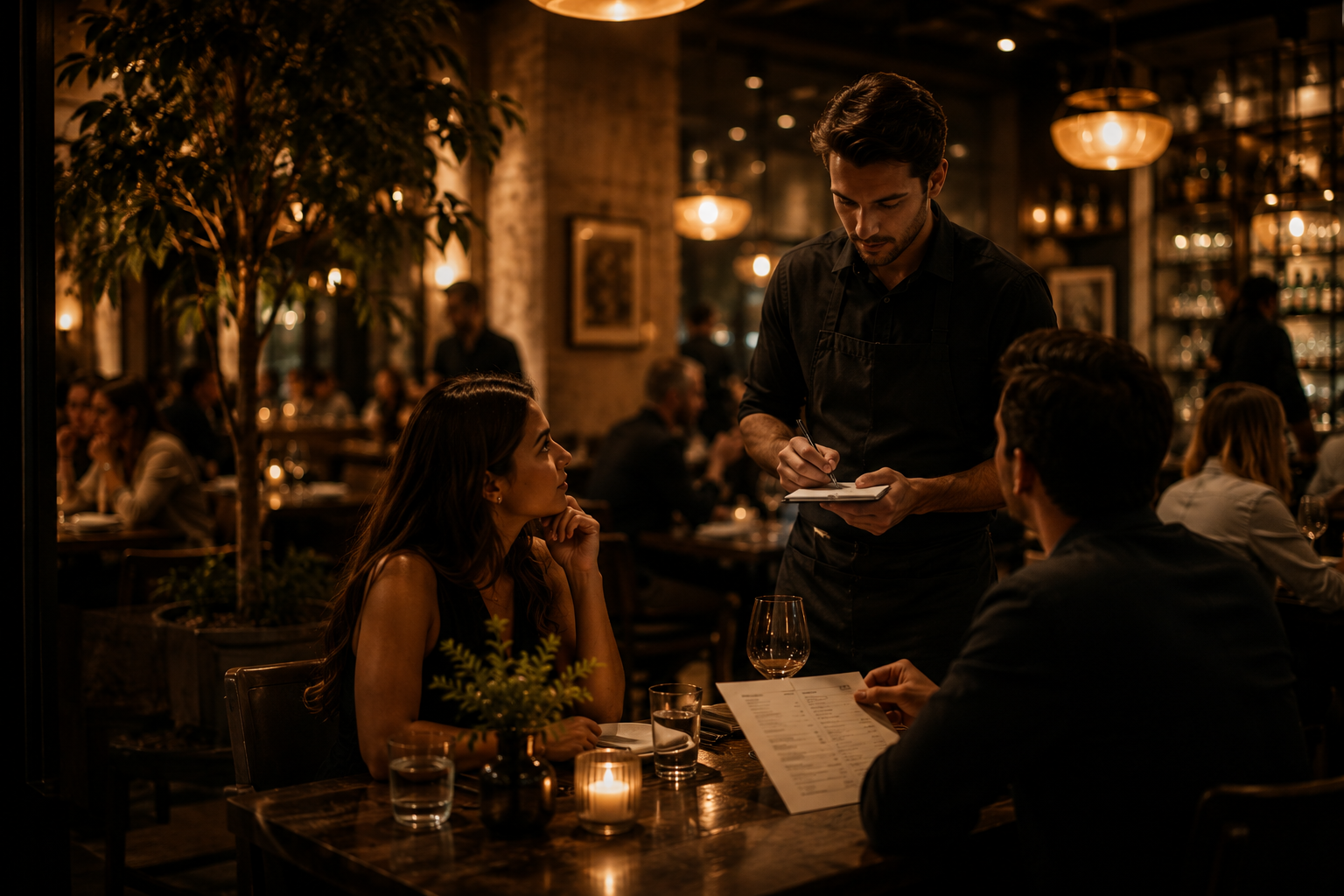
A server returning to reconfirm an order.
A menu that creates confusion instead of clarity.
Most guests will never describe these moments as “operational problems,” but they still shape how the restaurant feels.
Guests notice operational stress emotionally
Disorganized service rarely announces itself directly.
Instead, guests experience it through:
- uncertainty
- hesitation
- long perceived waits
- repeated clarifications
- overwhelmed staff energy
Research on restaurant wait-time psychology consistently shows that uncertainty makes waits feel longer and more frustrating for guests. Restaurants that communicate clearly and create smoother flows tend to feel calmer, even during busy service.
Operational friction often becomes emotional friction.
Menu confusion slows the entire room
One of the first signs guests notice is confusion around the menu itself.
Servers repeatedly answer:
- what ingredients are included
- whether items are available
- what sides come with dishes
- how certain meals are prepared
When menus are difficult to browse or quickly outdated, staff become the “search engine” for the dining room.
That pressure compounds during peak hours.
Clarity reduces tension
Clearer menus reduce interruptions and help guests make decisions faster.
Digital menus, updated availability, and visual presentation can help restaurants create smoother ordering experiences without removing the human side of hospitality.
Reconfirming orders quietly reduces confidence
Guests begin noticing operational instability when servers repeatedly return to verify details.
Even when staff are doing their best, repeated reconfirmations can create uncertainty:
- “Was my order written correctly?”
- “Did they forget something?”
- “Will the kitchen receive the right modifications?”
Most operational breakdowns are small individually.
But together, they shape the emotional atmosphere of the room.
Calm hospitality is usually operational
The calmest restaurant experiences are rarely accidental.
They are often powered by:
- smoother communication
- clearer systems
- organized reservations
- better menu visibility
- cleaner handoffs between staff
Hospitality may feel emotional from the outside, but calm service is usually operational underneath.
Rhythm matters
Every restaurant has a rhythm:
- how guests are welcomed
- how quickly information flows
- how updates are communicated
- how teams coordinate under pressure
When that rhythm breaks down, guests feel it immediately.
Modern guests expect smoother experiences
Today’s diners increasingly expect:
- mobile-friendly menus
- easier reservations
- clearer communication
- faster ordering flow
According to the National Restaurant Association, technology expectations continue to rise among younger diners, with many guests now expecting more seamless hospitality experiences as part of modern dining.
This does not mean replacing hospitality with technology.
It means reducing unnecessary operational stress so hospitality can feel more natural again.
Signs operational friction may be affecting your restaurant
Many restaurants quietly experience operational strain through patterns like:
- guests repeatedly asking menu questions
- servers rewriting or reconfirming orders
- confusion around reservations
- inconsistent service pacing
- overwhelmed staff during peak hours
- guests appearing uncertain while ordering
These moments may feel small internally, but guests experience them collectively.
Better systems create calmer hospitality
Technology should not replace people.
It should help teams focus less on operational confusion and more on guests.
That is where smoother systems matter:
- organized reservations
- clearer menus
- better guest communication
- operational visibility
- easier feedback collection
The best hospitality experiences often feel effortless to guests — even when the team behind them is working incredibly hard.
Modern hospitality starts with smoother systems
TapFeast helps restaurants simplify menus, reservations, guest experience, and operational flow so teams can focus on hospitality instead of chaos.
Because guests may never see your systems directly.
But they always feel their effects.